

A Fordham Student Took On NYC Zoning—and Sparked a Youth Housing Movement
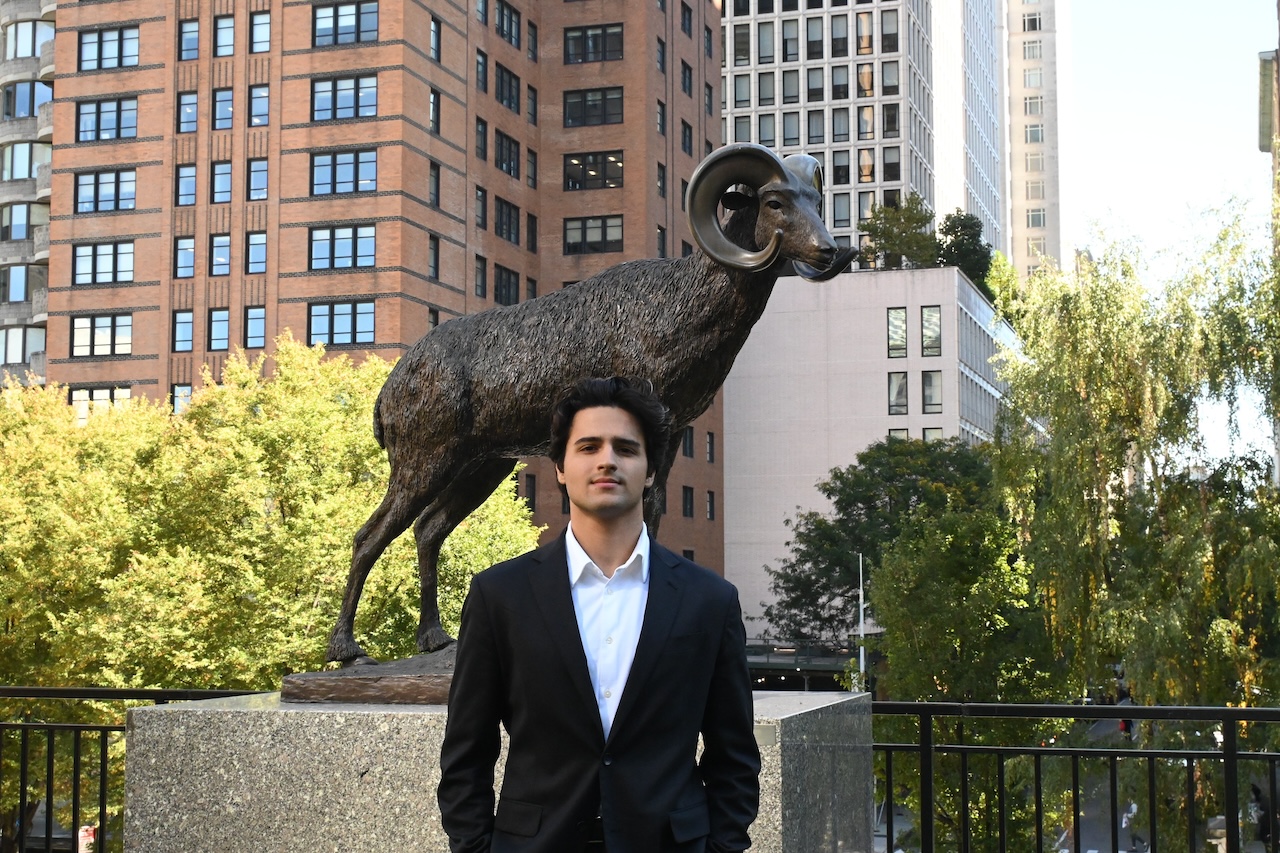
Farid Sofiyev - Founder & Executive Director of CivicReset NYC

Angelo Mazza - Co-Founder & Director of Operations
Frustrated by soaring rents, Farid Sofiyev launched CivicReset NYC to expose zoning failures, challenge predatory landlords, and push for affordable housing.
Looking for answers, Sofiyev called a friend who is a licensed real estate broker. One word kept surfacing throughout the conversation — zoning.
That night turned into hours of research. As Sofiyev dug into New York City’s zoning code, a pattern emerged. Housing construction is largely concentrated in low-density districts that limit new housing, and ultra-high-density districts that produce mostly luxury towers. Mid-density residential buildings — walk-ups, small multifamily properties, and mixed-use structures — represent a much smaller share of new development.
Having previously participated in grassroots organizing, Sofiyev began searching for student groups focused on housing reform. He expected to find many. Instead, he found almost none.
That absence was striking. Millennials, Gen Z, and future generations stand to be the most impacted by the housing crisis — yet student-led advocacy around zoning and affordable housing was nearly nonexistent.
That gap became the foundation for CivicReset NYC, a student-led organization focused on expanding public understanding of zoning, housing barriers, neighborhood development outcomes, and youth-driven civic engagement.
Sofiyev soon brought on his friend Angelo Mazza, also a Fordham sophomore studying finance, as co-founder and Director of Operations.
Together, they began publishing plain-English articles and explainers on issues such as What Is Zoning?, NYC’s City of Yes Plan and Why CivicReset Highlights It, and How Housing Connect Works — and How It Can Be Improved. These resources were designed to make housing policy easier to understand for students and residents.
CivicReset also started producing neighborhood-level research. One early focus was Long Island City, where luxury towers sit just blocks away from underutilized land like former taxi scrapyards. The group documented how zoning influences neighborhood development outcomes beyond housing alone, including infrastructure, local businesses, and surrounding community assets.
The organization has since launched a podcast featuring housing activists, urban planners, and economists. It also created a platform where students can contribute perspectives on housing affordability, neighborhood change and civic participation, expanding public understanding through research and youth voices shared across campuses.
As the organization grew, CivicReset expanded to chapters beyond Fordham, bringing on interns from Rutgers University–New Brunswick and George Washington University.
The group has also paired advocacy with community action, hosting events with Fordham Campus Ministry and Pedro Arrupe Volunteers, including a recent initiative that brought more than 30 volunteers to read to children at NYCHA-owned Amsterdam Houses near Fordham’s Lincoln Center campus.
CivicReset NYC continues working on expanding youth engagement in housing policy conversations and exploring collaborations with mission-aligned organizations focused on urban planning, neighborhood development outcomes, and the future of cities.
Farid Sofiyev
CivicReset NYC
info@civicreset.org
Visit us on social media:
LinkedIn
Instagram
Facebook
YouTube
TikTok
X
CivicReset Podcast - Introduction to Courtyard Urbanism with Alicia Pederson (Courtyard Urbanist)
Legal Disclaimer:
EIN Presswire provides this news content "as is" without warranty of any kind. We do not accept any responsibility or liability for the accuracy, content, images, videos, licenses, completeness, legality, or reliability of the information contained in this article. If you have any complaints or copyright issues related to this article, kindly contact the author above.
