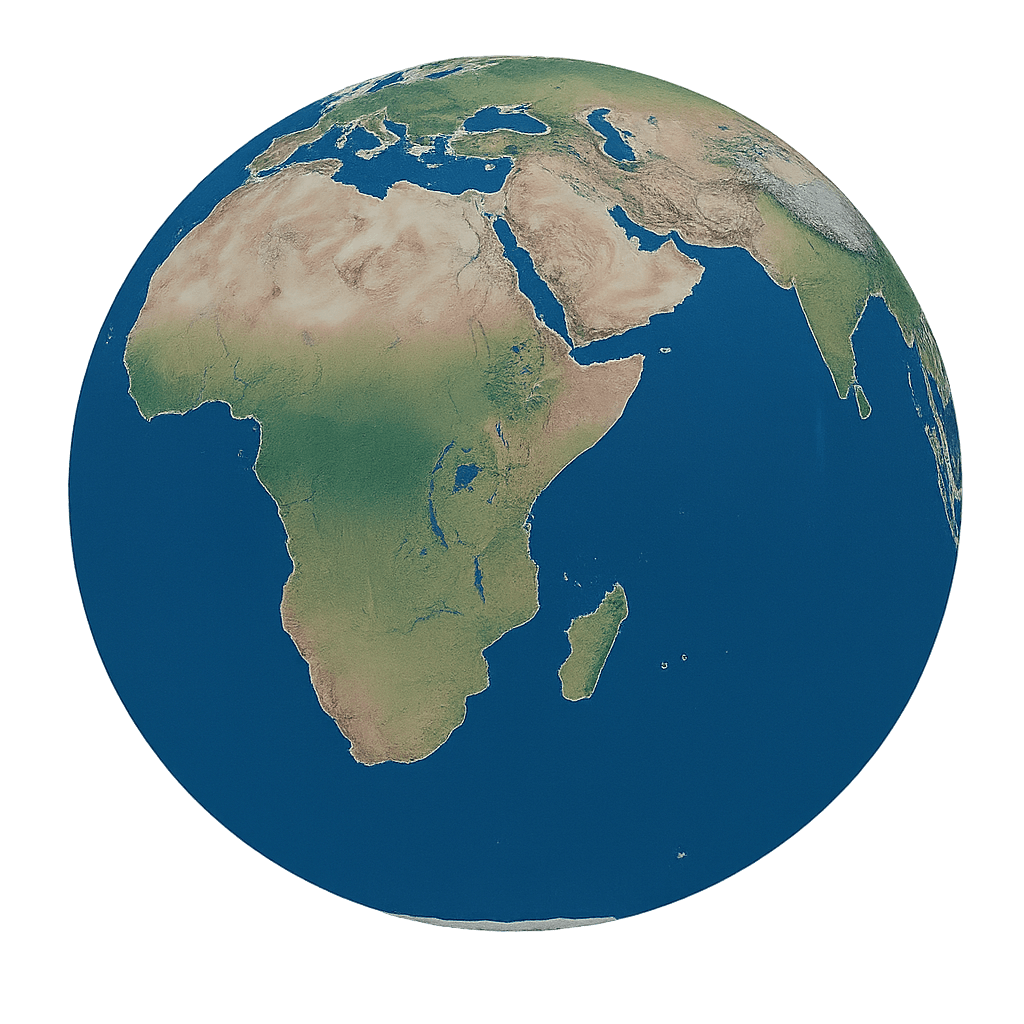

European Gas Prices Hike as Hormuz Blockade Chokes World's Gas Supply
Tom Marzec-Manser, director of Europe Gas & LNG at Wood Mackenzie, told media that Qatar shipped 81 million tonnes of LNG in 2025, with the UAE contributing an additional 5 million tonnes. Kuwait, he noted, absorbed 8 million tonnes in imports — meaning the effective global shortfall from recent disruptions stands at approximately 78 million tonnes. He suggested the price shock may dampen demand across parts of South Asia, while already subdued LNG consumption in China could assist in rebalancing the market.
"Added to that, Wood Mackenzie expects 35 million tonnes of new LNG production in 2026, and this too will help cover the current supply-demand imbalance," Marzec-Manser said and added, "But it's fair to assume that the longer the Straits of Hormuz remains shut, the higher the gas prices will go."
East Asia Emerges as Most Exposed Region
Mehdy Touil, lead LNG specialist and shareholder at Calypso Commodities — a technology firm developing AI-driven solutions for LNG scheduling, trading, and shipping optimization — described the scale of the crisis in stark terms, noting that Iran's blockade has effectively frozen over 83 million tonnes of LNG supply.
"That represents the most significant market shock since Russia halted exports to Europe in 2022 - and it already triggered a scramble for alternative cargoes. This time however, Europe is not the main pressure point. Its LNG portfolio leans heavily on FOB volumes from the US, limiting direct exposure to Qatari molecules," he said.
Touil identified China as the single largest concentration of contractual exposure and argued that the central challenge is no longer the total availability of supply, but the speed at which volumes can be redistributed across regions. He noted it remains premature to draw firm conclusions, though debate has already emerged over whether the EU should postpone its planned ban on Russian LNG.
He cautioned that even a ceasefire would not immediately restore normalcy — clearing mines and re-establishing safe navigation would demand considerable time, contingent on Iranian cooperation. With both oil and LNG arteries severed simultaneously, he warned, the two interlinked markets face compounding pressures.
"On pricing, crude will soon enter triple digits territory with flows remaining impaired. For gas, markets are in full discovery mode, and volatility will remain high," Touil explained.
Spot Market Faces Rapid Tightening
Giovanni Bettinelli, an energy consultant at Dubai-based GFB Insight, warned that any further escalation would trigger rapid tightening in the global spot LNG market, driven primarily by heightened transit risks through the strait. Holders of long-term contracts with QatarEnergy and ADNOC, he said, would rush to plug the gap through spot purchases, with the bulk of incremental demand emanating from Asia — led by China and India.
Europe, he added, would not be insulated from the fallout. Given the region's continued dependence on spot procurement and the heavy pace of storage withdrawals over the past two months, Bettinelli warned the continent would likely remain the premium destination for available spot cargoes, exacerbating price pressure — though he stopped short of flagging immediate security-of-supply risks in the near term.
"The likelihood of sustained price volatility versus a short-term risk premium: markets will remain highly volatile, especially in light of recent reports on damage to Qatari LNG production infrastructure," he said.
"Rather than fundamentals, prices will be reacting to the perceived risks of further disruptions and to changes to the outlook for the conflict. Overall, the actual impact on market balances remains tied to the duration of the conflict and the severity of any actual damage to LNG production capacity," Bettinelli added.
Duration of Closure to Determine Severity of Price Spiral
Alex Froley, senior LNG analyst at ICIS in London, highlighted that roughly 20% of global LNG originates west of the Strait of Hormuz, predominantly from Qatar with some contribution from the UAE. Since Saturday afternoon, he said, tankers have been actively avoiding the strait — vessels heading east from Qatar reversed course westward, while empty ships returning to reload are now holding position off the Omani coast, well clear of the chokepoint.
Froley noted that the bulk of Qatari cargoes are contractually destined for Asian buyers across China, Japan, South Korea, and India. A sustained halt, he warned, would set off fierce regional competition for remaining available volumes, ultimately lifting prices for European buyers as well.
On the market's initial reaction, he noted that TTF prices climbed sharply to around €39 per megawatt-hour on March 2, up from approximately €32 per megawatt-hour the prior Friday — a significant move, though still a fraction of the record highs seen in August 2022 when the TTF briefly eclipsed €300 per megawatt-hour following Russia's cut of European gas flows.
"The key question now is how long the interruption lasts. Markets can use gas in storage to cover a brief interruption. But the longer it lasts, the bigger the impact, and the more prices will rise," he said.
Legal Disclaimer:
EIN Presswire provides this news content "as is" without warranty of any kind. We do not accept any responsibility or liability for the accuracy, content, images, videos, licenses, completeness, legality, or reliability of the information contained in this article. If you have any complaints or copyright issues related to this article, kindly contact the author above.
